


In an increasingly digitized world, the future of cash is a topic of significant debate and speculation. As digital payment methods continue to gain popularity and acceptance, the role of physical currency is being reexamined. What lies ahead for cash in the coming years? Let’s explore.

The Decline of Cash: A Global Trend
The decline of cash usage is a global phenomenon. In many parts of the world, including advanced economies like Sweden and South Korea, cash transactions have been steadily decreasing. This trend is driven by several factors:

1.Convenience: Digital payment methods such as mobile wallets, contactless cards, and peer-to-peer payment apps offer unparalleled convenience. With just a tap or a swipe, consumers can make purchases, transfer money, and manage their finances from anywhere, anytime.
2.Hygiene Concerns: The COVID-19 pandemic has accelerated the shift away from cash as people became more conscious of hygiene and the potential transmission of germs through physical currency. Many businesses and consumers now prefer touchless payment options to minimize contact.
3.Technological Advancements: The proliferation of smartphones, improved internet connectivity, and the rise of fintech startups have paved the way for innovative digital payment solutions. From biometric authentication to blockchain technology, the digital payments ecosystem continues to evolve at a rapid pace.
Challenges and Concerns

While the decline of cash offers numerous benefits, it also raises several challenges and concerns:
1.Financial Inclusion: Not everyone has access to digital payment infrastructure or the necessary technology to participate in cashless transactions. The transition away from cash must be inclusive, ensuring that marginalized communities are not left behind.
2.Privacy and Security: Digital payments raise concerns about data privacy and cybersecurity. With every transaction leaving a digital footprint, there are legitimate concerns about surveillance, identity theft, and data breaches.
3.Central Bank Digital Currencies (CBDCs): Some governments are exploring the idea of issuing central bank digital currencies (CBDCs) as a digital alternative to cash. While CBDCs offer potential benefits such as greater financial inclusion and improved monetary policy transmission, they also pose challenges related to privacy, cybersecurity, and financial stability.
The Role of Cash in a Digital World
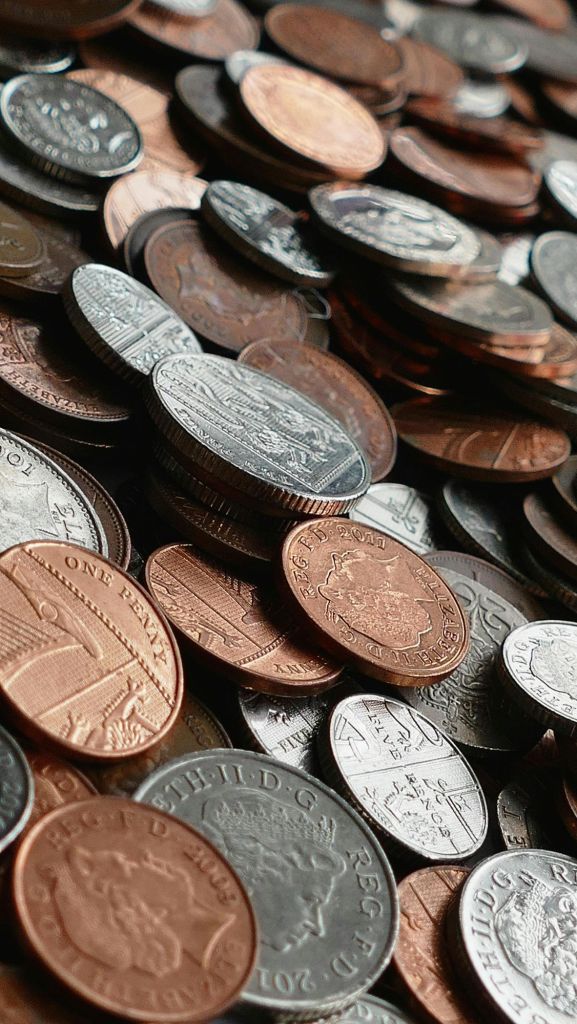
Despite the rise of digital payments, cash is unlikely to disappear entirely. It remains a crucial form of payment for many people, especially those in rural areas, older adults, and individuals without access to banking services. Cash also serves as a store of value and a medium of exchange in situations where digital infrastructure is unavailable or unreliable.
In light of these considerations, the future of cash is likely to be one of coexistence rather than extinction. Cash will continue to play a role alongside digital payment methods, offering consumers choice, flexibility, and resilience in an increasingly digital world.
The future of cash is shaped by a complex interplay of technological, social, and economic factors. While digital payments offer undeniable advantages in terms of convenience, efficiency, and innovation, cash remains a resilient and essential component of the global economy. As we navigate the digital frontier, it’s crucial to strike a balance between embracing innovation and preserving the accessibility, privacy, and security that cash provides. Ultimately, the future of cash will be defined by our ability to adapt to changing technologies and societal needs while ensuring that no one is left behind in the transition to a cashless world.


 Mohsadam Finance
Leave a comment